

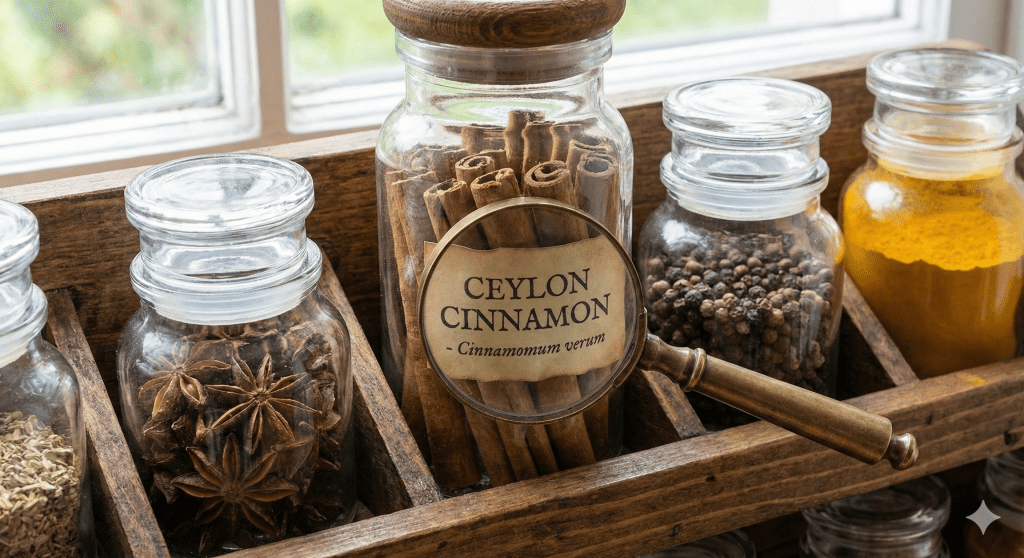
Did you know that hiding in your kitchen cabinet, right next to the salt and pepper, is one of the world’s greatest superheroes? It doesn’t wear a cape, but it has a super-power that can fight off the tiny bad guys that try to hurt your body. That hero is cinnamon!
Scientists have a way to measure the power of these food heroes using a special test called the ORAC score (it stands for Oxygen Radical Absorbance Capacity). Think of the ORAC score as a superhero’s strength meter.1 The higher the number, the stronger the food is at sending away harmful molecules called free radicals—these are the little troublemakers that can cause wear-and-tear inside your cells.
The Spice That Beats the Berries
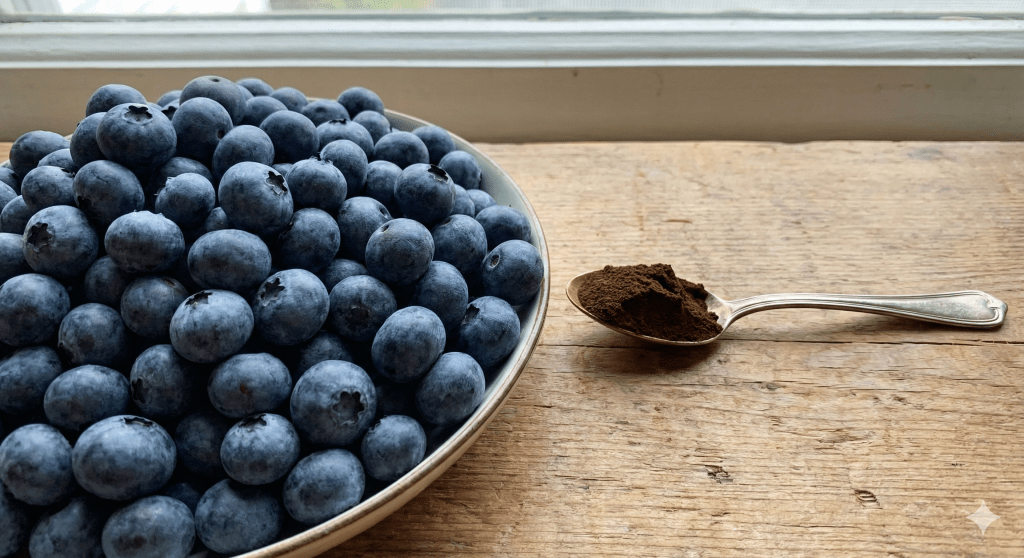
When you put cinnamon on the ORAC strength meter, it goes way up! Cinnamon is consistently ranked as one of the top three most powerful spices in the world for fighting free radicals.1
To understand how strong that is, think about a blueberry. Everyone knows blueberries are healthy, and they have a good ORAC score (around 6,500 units per 100 grams).1 But cinnamon? It’s often 30 to 40 times stronger by the same weight! 1
Why are spices so powerful? It’s simple: they are dried! When the water is taken out, all the good stuff (the antioxidants) are left behind, making the spice super-concentrated—like a tiny, potent power bar.1
Who’s the Champion? (And Why it Matters)
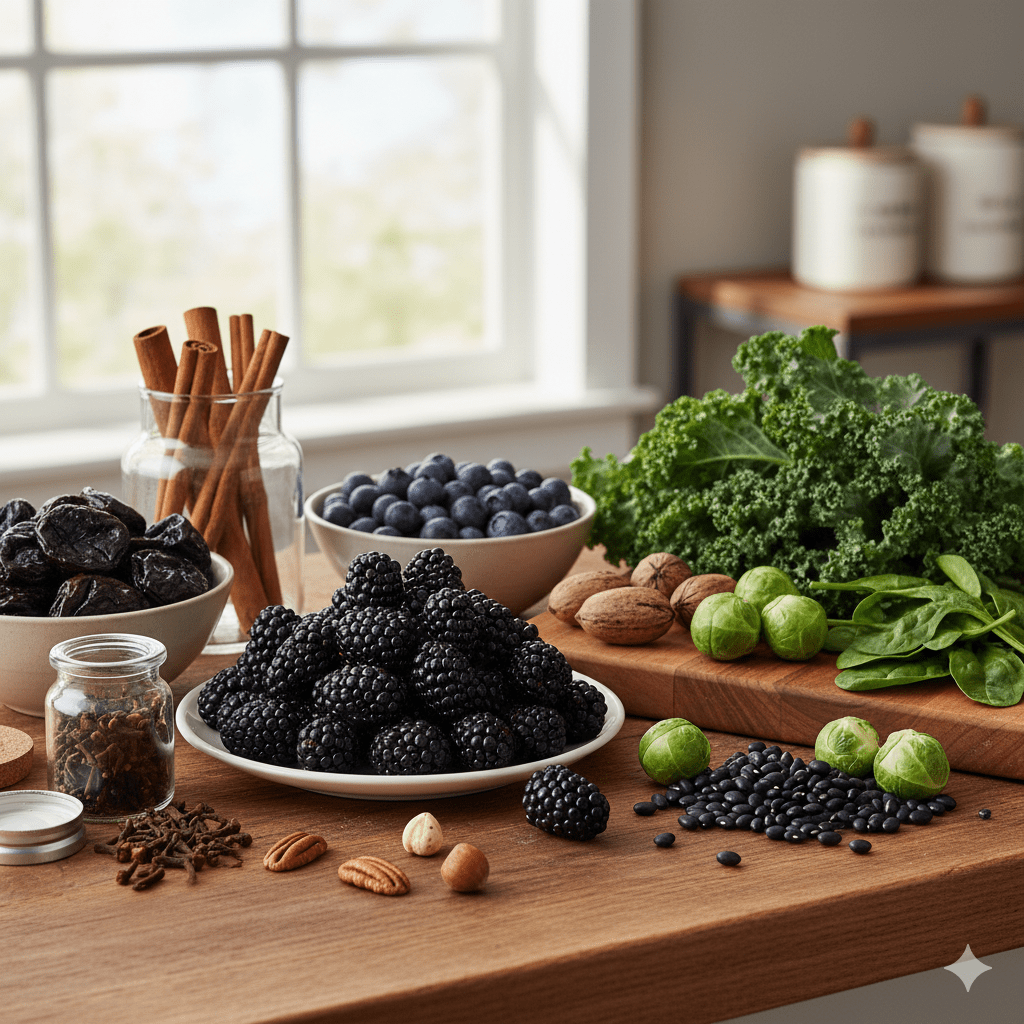
While cinnamon is amazing, it’s not quite the strongest of all. Ground cloves usually win the gold medal on the ORAC scale.
The table below shows how cinnamon stacks up against the other super-powered, high-concentration foods. Remember, these scores are based on 100 grams of the ingredient, which is a lot more than you would usually eat, but it shows the raw power of the food!
| Food Category | High-ORAC Foods (per 100g) | ORAC Value |
|---|---|---|
| Spices/Herbs | Ground Clove, Ground Cinnamon, Ground Oregano | >200,000 |
| Fruits | Prunes, Wild Blueberries, Blackberries | ~5,770, ~9,621, ~2,036 |
| Nuts/Legumes | Pecans, Hazelnuts, Black Beans (raw) | ~17,940, ~9,645, ~8,040 |
| Vegetables | Kale, Spinach, Brussels Sprouts | ~1,770, ~1,260, ~980 |
But here’s the really cool part about cinnamon: you only need a tiny bit to get a big boost.
Just one teaspoon of cinnamon can give you a significant amount of antioxidant power, enough to meet a healthy daily goal. It’s an easy, low-caloric way to make your breakfast oatmeal or snack instantly super-powered.
Cinnamon’s True Superpowers (Beyond the Score)

We already talked about how cinnamon is great at fighting free radicals, but it has two even more amazing, special skills! Scientists have found that the main power in cinnamon comes from a magic ingredient called Cinnamaldehyde.2 This Cinnamaldehyde gives cinnamon special benefits for your health:
- Blood Sugar Balancer (The Traffic Cop): Cinnamon helps your body manage sugar. When you eat food, your body makes a hormone called insulin to take sugar out of your blood and into your cells for energy. Cinnamon helps your cells listen better to the insulin, making them more sensitive.5 It also slows down the enzymes that break starch into sugar, like a traffic cop slowing down the sugar rush. This is super helpful for keeping your energy steady and fighting something called metabolic syndrome.4
- Heart Helper: Cinnamaldehyde is also good for your circulatory system. Studies suggest it can help lower blood pressure, which makes the job easier for your heart.4 It’s like giving your heart a nice, relaxing break.
- Germ Fighter: Cinnamon has strong anti-bacterial and anti-cancer powers, meaning it can help your body fight off many different kinds of bad germs and cells.6
So, cinnamon isn’t just a powerful general antioxidant; it’s a specialist with targeted benefits for your heart and metabolism!
The fight for True Cinnamon: Cassia vs Ceylon
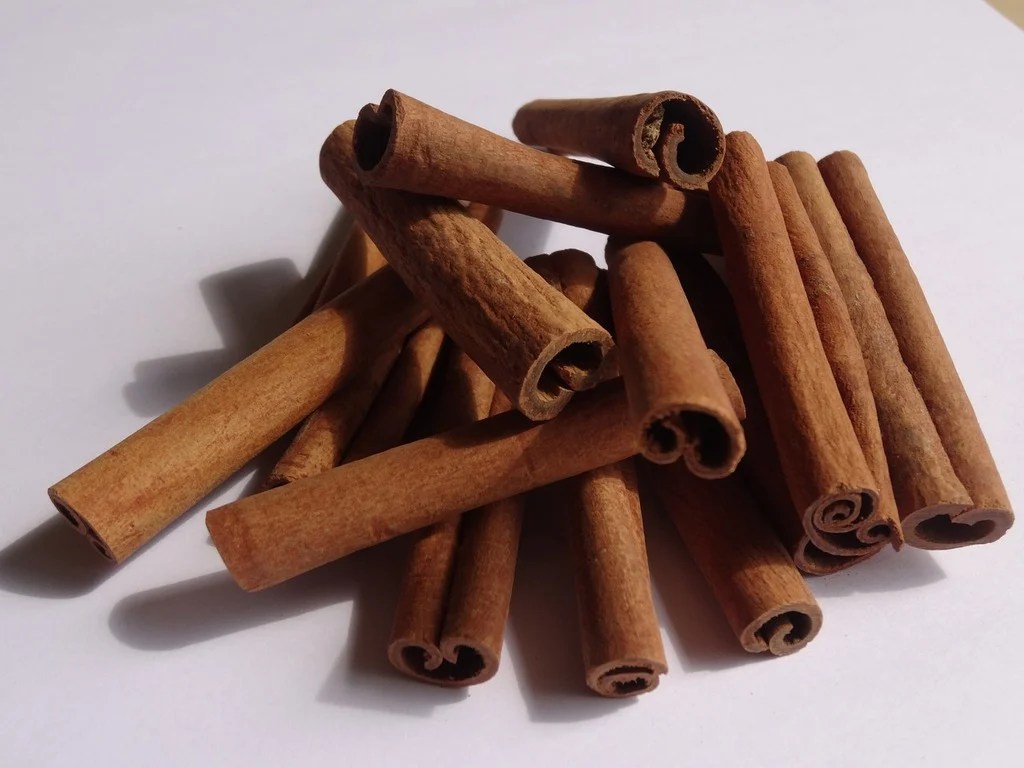
Now for the big twist in our story. Not all cinnamon is the same, and that’s a huge deal.
Most of the cheap cinnamon you see in the store is called Cassia cinnamon. Even though it has a great ORAC score, it hides a secret danger: a compound called coumarin.3 If you eat too much Cassia every day, that coumarin can be bad for your liver—it’s like its secret weakness!
Because of this danger, you can’t safely eat enough Cassia to get all those awesome, healthy benefits every single day. If you eat just one teaspoon of Cassia, you might already be eating more coumarin than experts recommend.
Meet the TRUE Hero: Ceylon Cinnamon

The safe superhero you should look for is called Ceylon cinnamon (sometimes known as “true” cinnamon).3
Ceylon cinnamon has almost no coumarin—it has about 250 times less than the risky Cassia kind! This means you can safely use it every day to get all the fantastic health benefits without worry.2
Your Action Plan: How to Be a Super-Shopper
The ORAC score tells you how strong a food could be, but the safety check tells you if you can use it every day.3 To be the healthiest you can be, you need both the power of cinnamon and the safety of the right kind.
Here are your three simple superhero rules:
- Look out for “Cassia” (or Cinnamomum cassia or Cinnamomum aromatica): This is the common variety, only suitable for culinary use in very small amounts.
- Look for “Ceylon” or just “Cinnamon”: Next time you’re at the store, check the label and make sure it says Ceylon Cinnamon (or Cinnamomum verum) or even just “Cinnamon“. This is the safe, true hero.3
- Use it Daily: Try to add about a teaspoon to your food every day! It’s the easiest way to give your body a major antioxidant boost and get those blood-sugar benefits.1
- Eat Your Berries Too! Remember, even though cinnamon is concentrated, you still need to eat lots of other good foods—like blueberries, nuts, and veggies—to get all the other vitamins and fiber your body needs. Spices are great boosters, but the whole foods are the foundation!
Now you know the secret of the spice rack! Go power up!
References
- Haytowitz, D.B., Bhagwat, S.A. 2010. USDA database for the oxygen radical capacity (ORAC) of selected foods, release 2. USDA National Nutrient Database for Standard Reference.
- “Cinnamaldehyde is the bioactive component present in the cinnamon…” Journal of Ethnopharmacology and Medicinal Plants 826 (2019). https://journalejmp.com/index.php/EJMP/article/view/826.
- Waters. “Rapid Profiling and Authentication of Cinnamon Using DART and Single Quadrupole.” Accessed December 3, 2025. https://www.waters.com/nextgen/us/en/library/application-notes/2016/rapid-profiling-and-authentication-of-cinnamon-using-dart-and-single-quadrupole.html
- Gupta Jain, Sonal, Seema Puri, Anoop Misra, Seema Gulati, and Kalaivani Mani. “Effect of oral cinnamon intervention on metabolic profile and body composition of Asian Indians with metabolic syndrome: a randomized double-blind control trial.” Lipids in health and disease 16, no. 1 (2017): 113.
- Ranasinghe, P., R. Jayawardana, P. Galappaththy, G. R. Constantine, N. de Vas Gunawardana, and P. Katulanda. “Efficacy and safety of ‘true’cinnamon (Cinnamomum zeylanicum) as a pharmaceutical agent in diabetes: a systematic review and meta‐analysis.” Diabetic medicine 29, no. 12 (2012): 1480-1492.
- Guo, Jiageng, Xinya Jiang, Yu Tian, Shidu Yan, Jiaojiao Liu, Jinling Xie, Fan Zhang, Chun Yao, and Erwei Hao. “Therapeutic potential of cinnamon oil: chemical composition, pharmacological actions, and applications.” Pharmaceuticals 17, no. 12 (2024): 1700.


 1Balance Living
Leave a comment